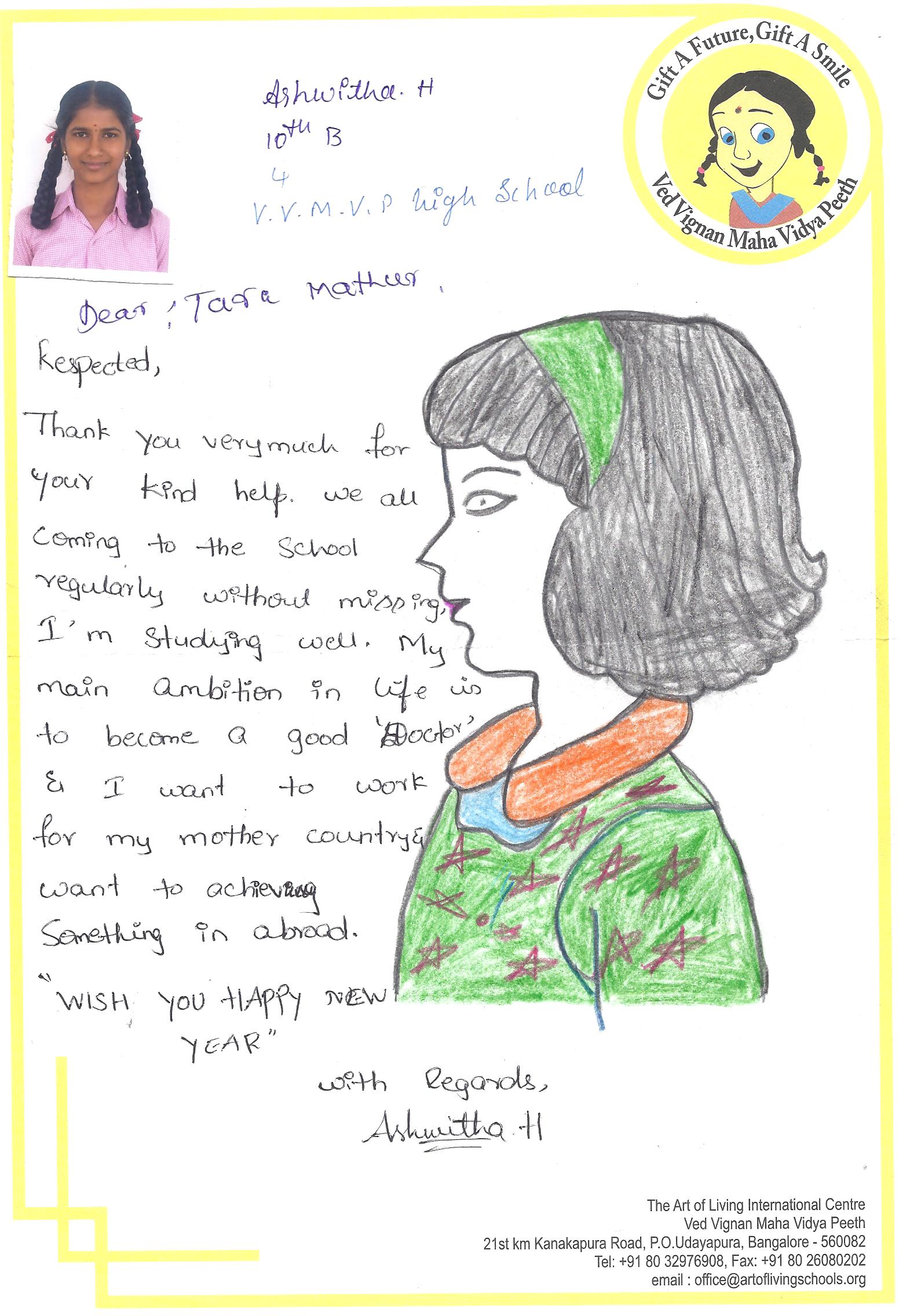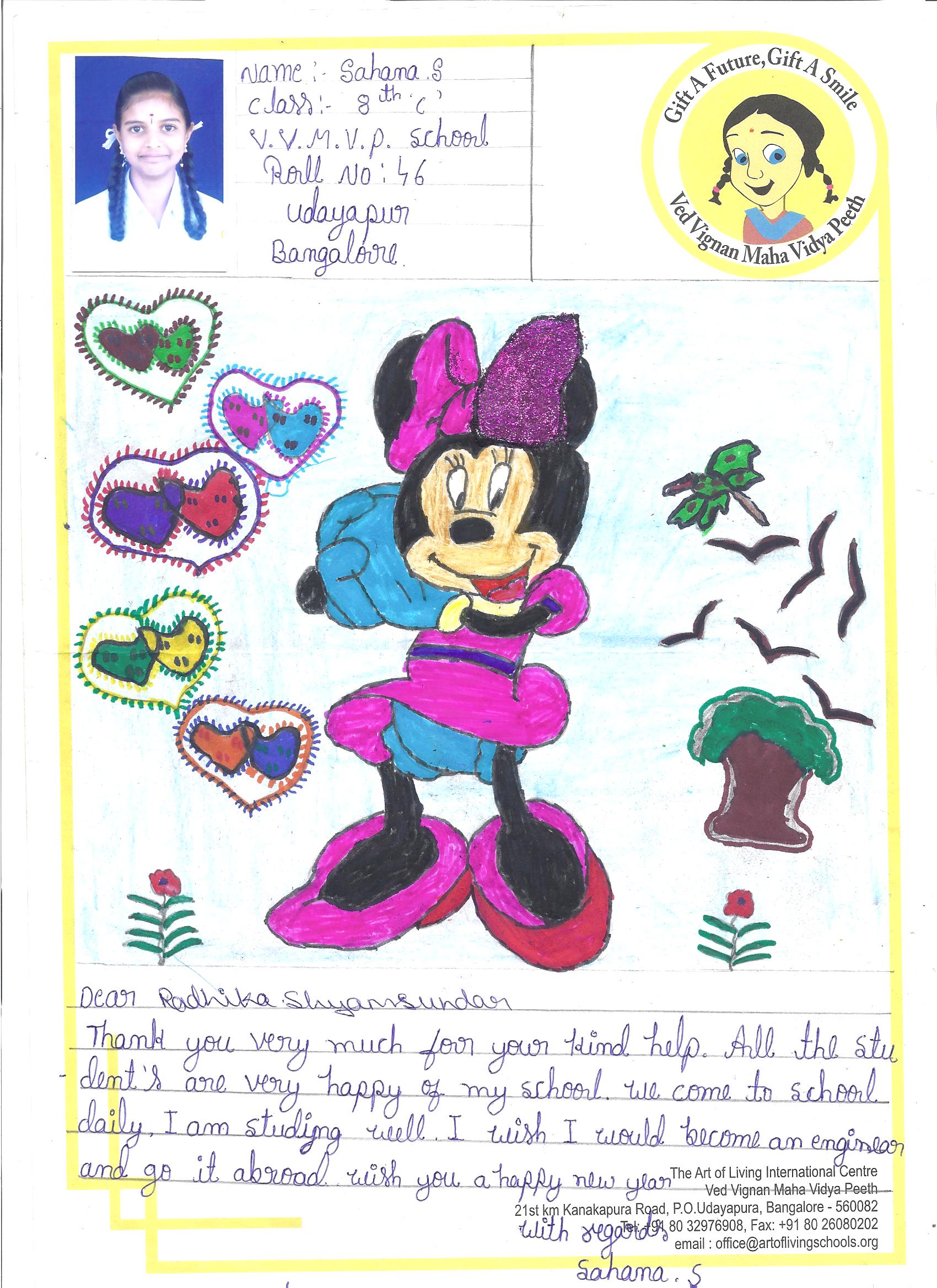

We are very grateful for your generous support of educating underprivileged children in India and are pleased to let you know that your dollars nurture more than 120,000 students across 1356 schools! During this season of giving, we invite you to open your hearts wide, dig deep into your pockets, and sustain these schools with your continued generosity. Please also inspire at least one friend or family member to support this beautiful cause of holistic and free education.
Gurudev Sri Sri Ravi Shankar, our inspiration and founder of the Art of Living Foundation, shares this story:
I was once asked by a prominent industrialist - What is the best contribution one can make to better a society? Make billions, spend billions, or give away billions? This was my answer: "The best way is to do both: To make billions, spend a little less, save the rest and give it away! 20% of your earnings should be earmarked for charity. However, charity should be self-sustainable. That is, it should create more wealth rather than perpetuating the cycle of poverty and dependence. In this sense, the best form of charity would be providing quality education for children and more importantly, building a good character in them."
Click on the Donate button to choose a General fund or a specific project that you would like to support. Whether you donate $5 or $5000, your contribution will make a huge impact. Every bit counts. Thank you once again for your generous support!
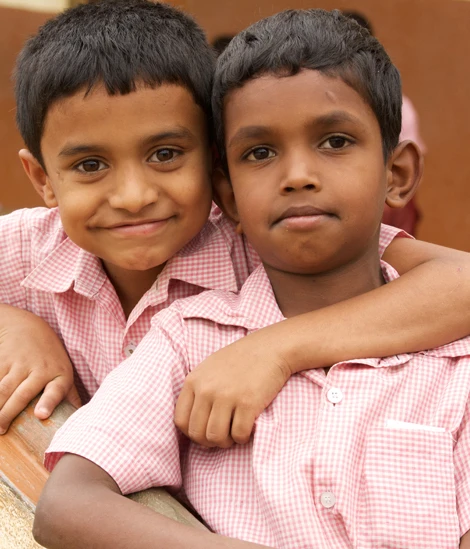
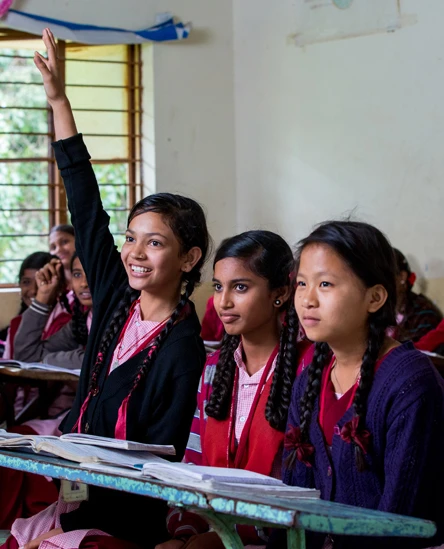
It all began in 1981 when Sri Sri Ravi Shankar, a humanitarian & spiritual leader and an ambassador of peace and human values, noticed children of construction workers playing in the dust while the Art of Living center was being built.
Sri Sri observed that these children had no access to education. Basic lessons, healthcare, and free healthy food were provided to the children. With support from donors like you, we provide free holistic education to 120,000+ underprivileged children in 1356+ schools in rural India with emphasis on social responsibility and human values. When we educate our children, we empower our communities.
We believe that education is a universal right that can help break the cycles of poverty, disease, and social inequity. It empowers children with the knowledge, skills, and confidence they need to shape a better future for themselves, their communities and the world. Join us in making the world a better place, starting with one child at a time.
Read More

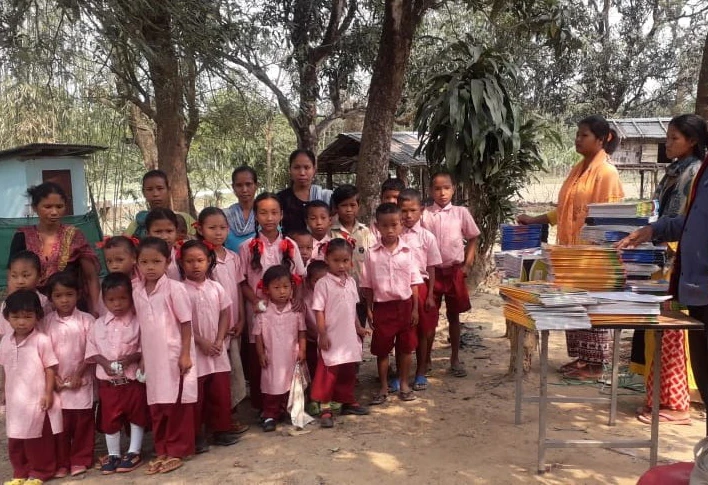
This project will support the construction of a school in the Phubala Village, Bishnupur District, Manipur state.
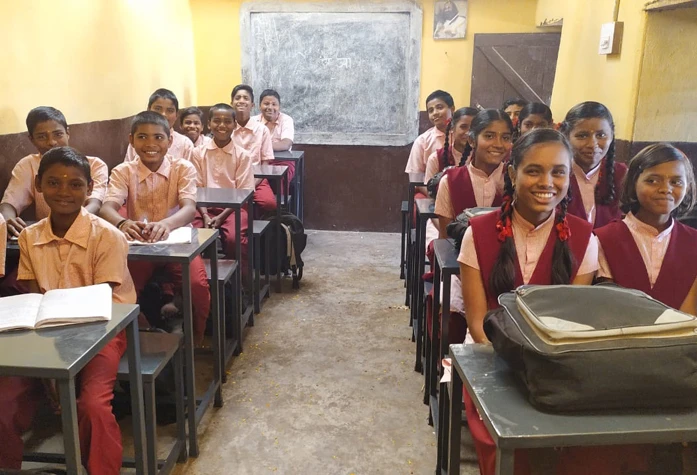
This project will provide funding for basic furniture such as tables, chairs, boards, benches for 6 schools.
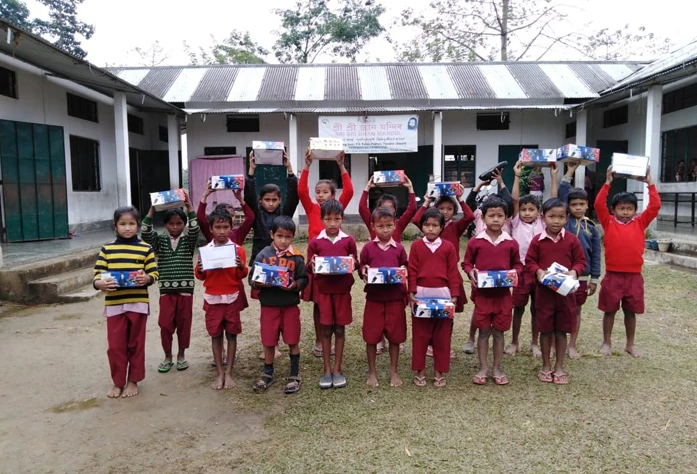
The funds from this project will provide free socks and shoes to more than 27,000 children across 97 schools.

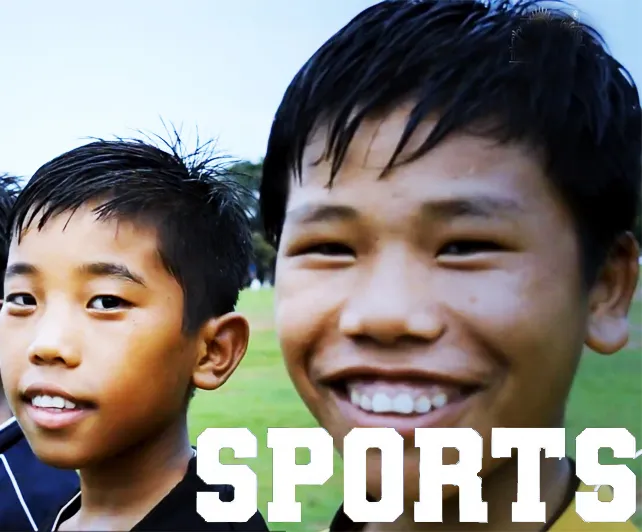
Besides academics, personality development programs, daily pranayama & meditation, and a host of extracurricular activities are practiced
Read More
Conducting yoga and pranayama programs, health and hygiene awareness camps, and constant communication with parents, help bring about a positive environment for the children to be nurtured in
Read More








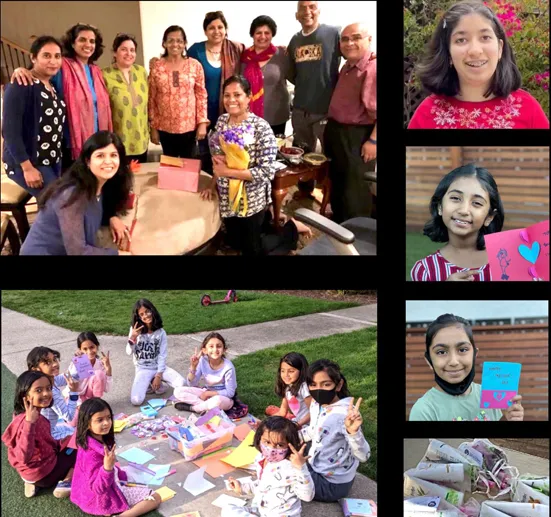
Volunteers
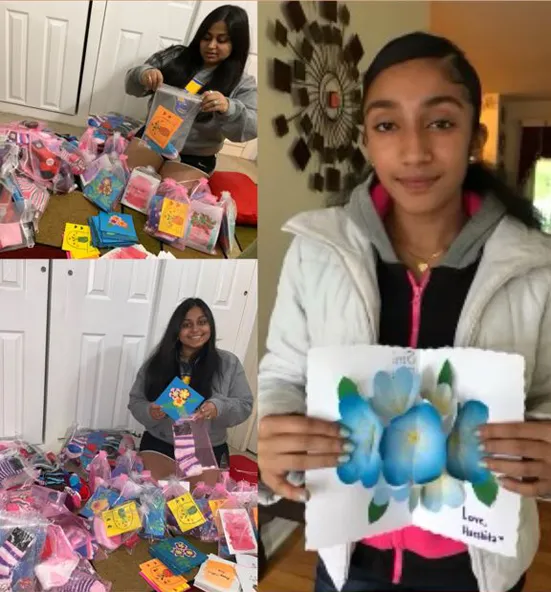
Volunteers
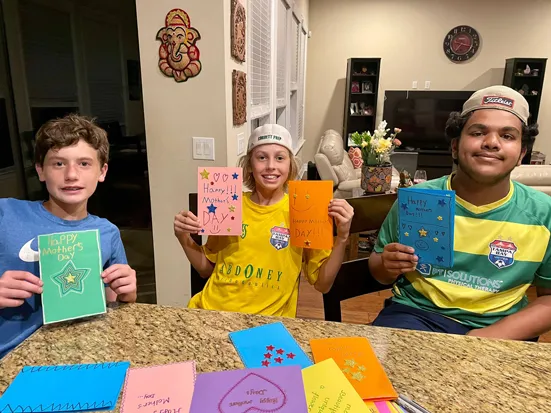
Volunteers